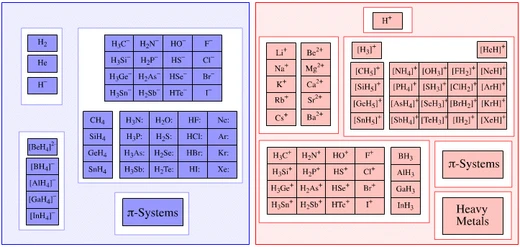
Alkali salt
Basic salts from incomplete neutralization of strong base and weak acid.

Kwamikagami · CC BY-SA 4.0
Alkali salts, also known as base salts, are salts formed from the incomplete neutralization of a strong base and a weak acid. Unlike neutral salts, they are basic because the conjugate base from the weak acid hydrolyzes to form a basic solution. These materials are known for their high levels of dissolution in polar solvents and are often obtained through precipitation reactions.
- type
- Chemical compounds
- key_property
- Basic in solution due to hydrolysis of conjugate base
- examples
- Sodium carbonate, sodium acetate, potassium cyanide, sodium sulfide, sodium bicarbonate
- common_use
- Major component of alkaline dishwasher detergent powders
- distinction
- Different from alkalis, which are soluble hydroxides of alkali or alkaline earth metals
Lore & Background
Alkali salts are defined as the product of incomplete neutralization of a strong base and a weak acid. Their basic nature arises because the conjugate base from the weak acid hydrolyzes in water, producing a basic solution. For example, in sodium carbonate, the carbonate ion from carbonic acid hydrolyzes to form a basic solution, whereas the chloride ion from hydrochloric acid in sodium chloride does not hydrolyze, so sodium chloride is not basic.
Reader's Guide
The distinction between a basic salt and an alkali is important: an alkali is the soluble hydroxide compound of an alkali metal or an alkaline earth metal, while a basic salt is any salt that hydrolyzes to form a basic solution. Another definition describes a basic salt as one that contains both hydroxide and other anions, such as white lead (basic lead carbonate or lead carbonate hydroxide). Alkali salts are insoluble and are obtained through precipitation reactions. They are widely used in products like alkaline dishwasher detergent powders, where common examples include alkali metasilicates, alkali metal hydroxides, sodium carbonate, and sodium bicarbonate. Other strongly alkaline salts include sodium percarbonate, sodium persilicate, and potassium metabisulfite.
Did You Know?
- Alkali salts are the product of incomplete neutralization of a strong base and a weak acid.
- Sodium carbonate is basic because the carbonate from carbonic acid hydrolyzes to form a basic solution.
- A basic salt may contain both hydroxide and other anions, as in white lead (basic lead carbonate).
- Alkali salts are insoluble and obtained through precipitation reactions.
Gallery




Frequently Asked Questions
What is an alkali salt?
An alkali salt is a chemical compound that forms when a strong base only partially neutralizes a weak acid, leaving a conjugate base behind. Familiar examples include sodium carbonate, sodium acetate, potassium cyanide, and sodium bicarbonate.
Why do alkali salts make a basic solution?
The leftover conjugate base from the weak acid undergoes hydrolysis in water, pushing the pH above neutral. This is the key property that sets them apart from ordinary neutral salts.
How are alkali salts typically obtained?
They are most commonly produced through precipitation reactions in the laboratory. Their high solubility in polar solvents also makes them straightforward to isolate and handle in aqueous settings.
What is a common real-world use of alkali salts?
They are a major ingredient in alkaline dishwasher detergent powders, where their basic character helps cut through grease and food residue. Their ready solubility in water makes them practical for household cleaning.
How is an alkali salt different from an alkali?
An alkali salt is a salt compound that simply behaves as a base in solution, whereas an alkali specifically means a soluble hydroxide of an alkali or alkaline-earth metal such as sodium hydroxide. They share basicity but belong to entirely different chemical families.
More in Acids And Bases 1-24
Elsewhere in the Acids And Bases universe
Spotted an error? Know more?
This is a living reference — every entry is fact-audited, and reader corrections feed straight into our audit queue. Suggest an edit · See this site's audit record